
AGIBOT G2
AGIBOT
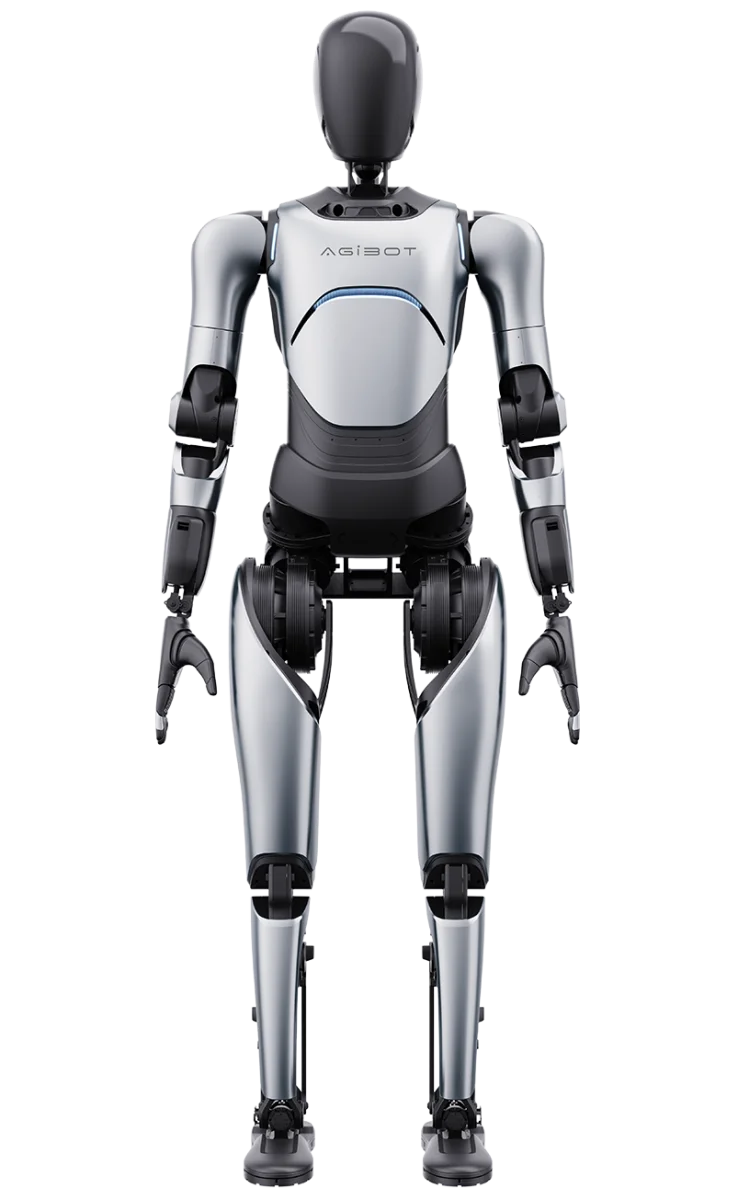
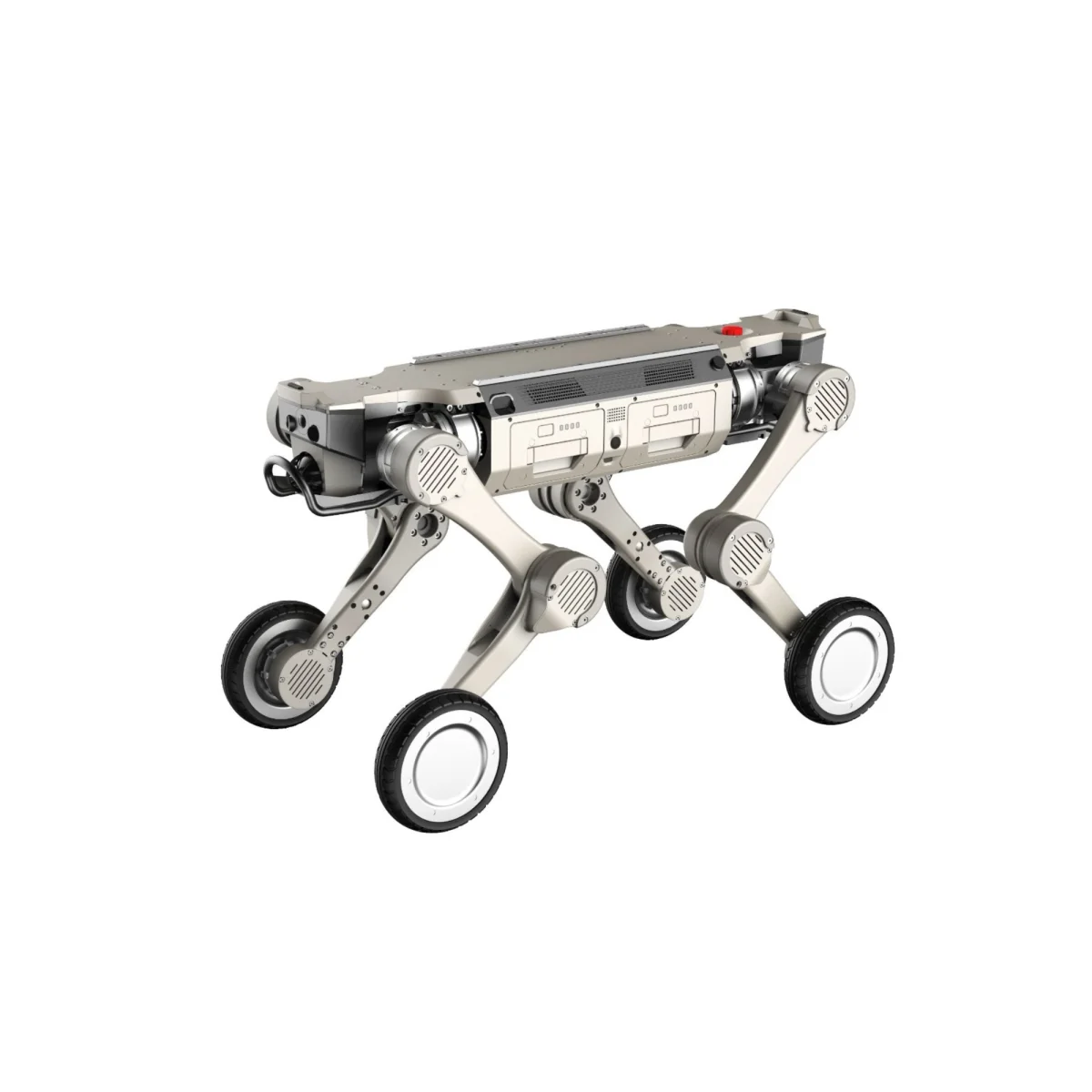
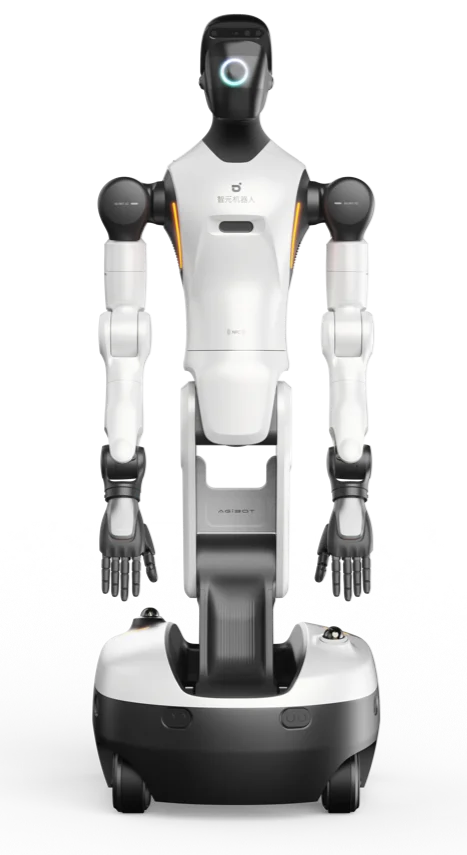
Wheeled AGIBOT humanoid, 185 kg with 26 force-controlled DoF and IP42 protection, running NVIDIA Jetson Thor compute on dual hot-swap batteries.
View detailsWe select, integrate and support humanoid robot platforms for European industry, from a first proof of concept to a fleet in production.
Talk to an engineer
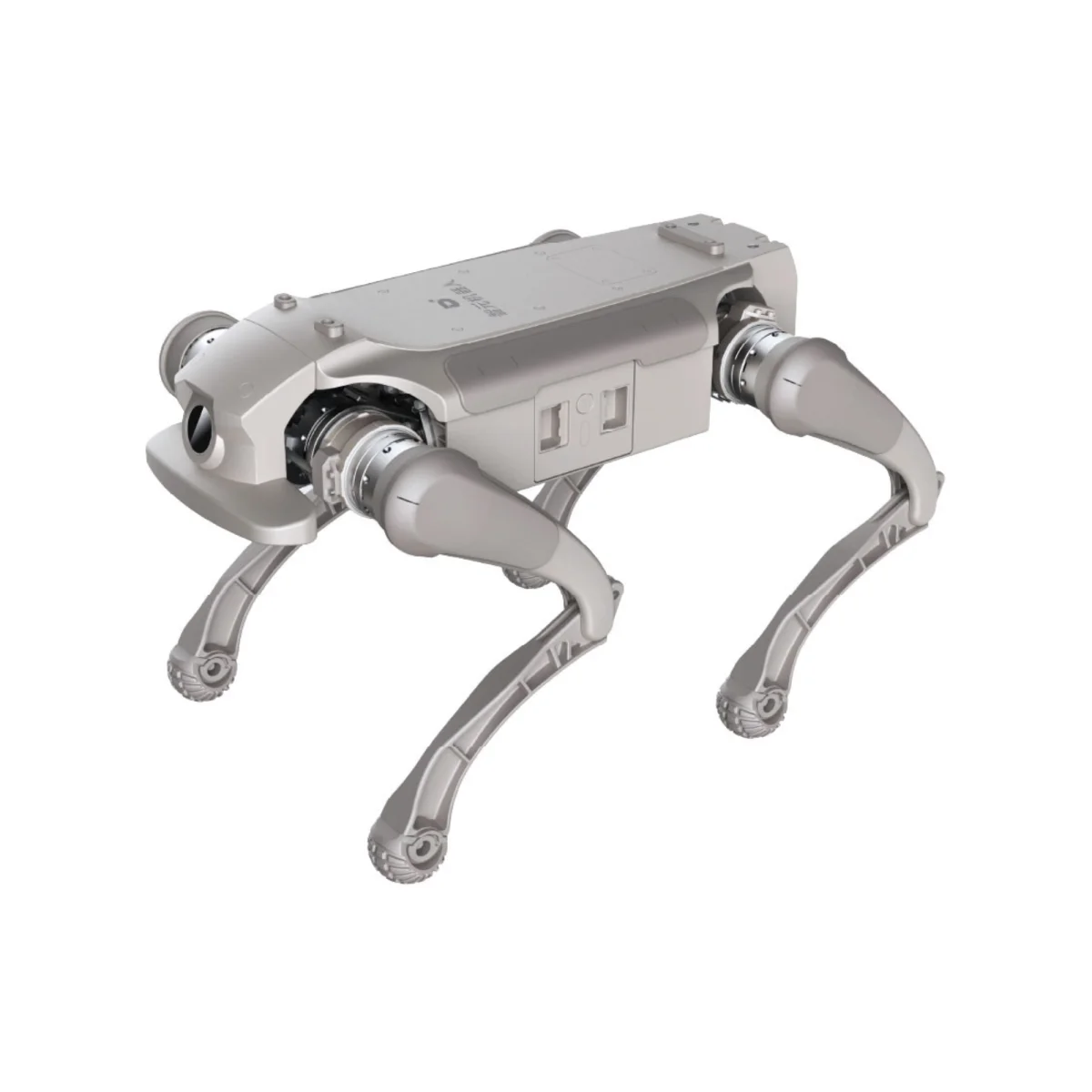
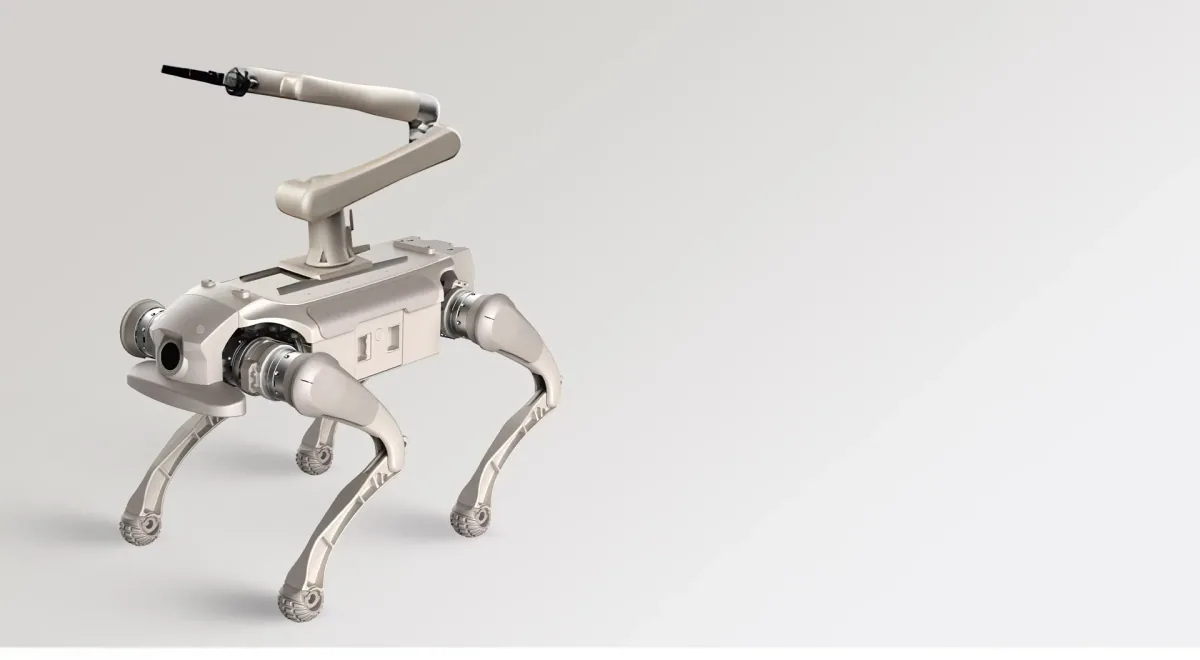
Direct supply of humanoid platforms, quadrupeds, grippers and spares, with European warranty handling.
Application development on ROS 2: perception, navigation, pick-and-place, and the integration work in between.
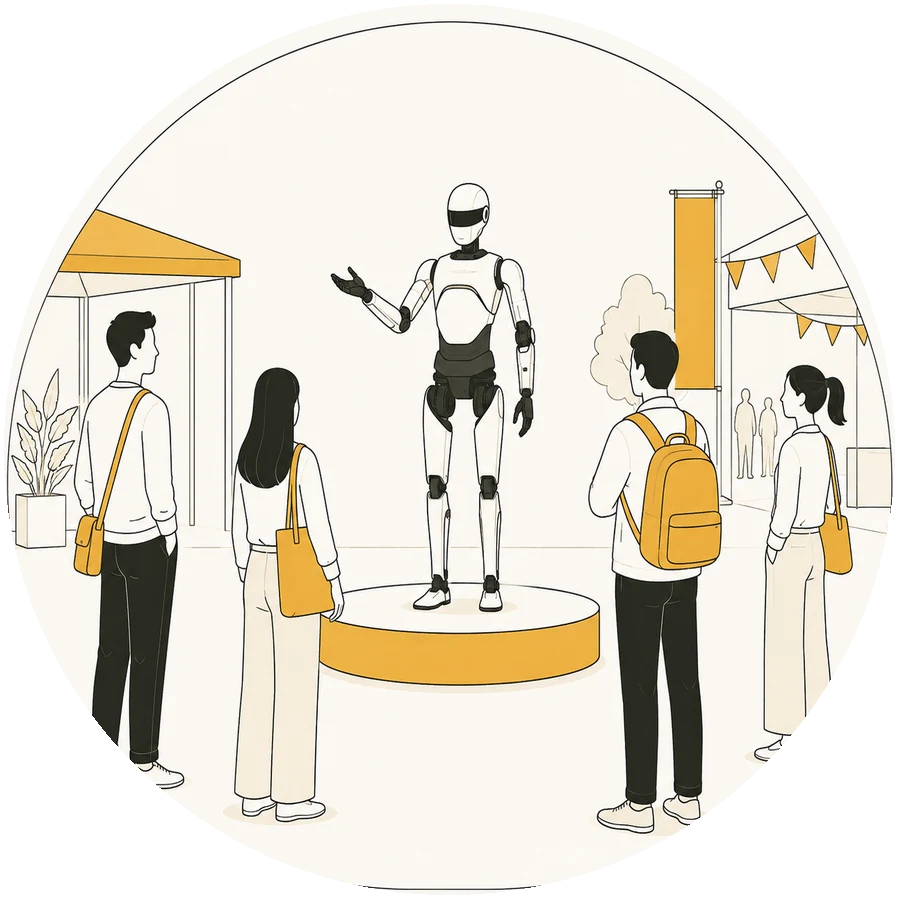
Short-term units for trade shows, teaching and pilot projects, so you can evaluate before you commit.
Most companies arriving on this page do not need a humanoid, and the fastest way to be useful is to say which ones do.
If the task happens in one place, on parts that arrive in the same orientation every time, a fixed industrial arm will do it faster, more repeatably and for less money. That has been true for forty years and a general-purpose machine does not change it. If the task is moving boxes along a fixed route on a flat floor, a mobile robot or a conveyor is the answer. If the task is inspection along a route with stairs, gravel or grating, a quadruped is the answer, and it is a considerably smaller purchase.
What a humanoid is for is work in a space built for people, too varied to fixture and too low in volume to justify rebuilding the space. Machine tending across several machines at different heights. Picking mixed items from shelving sized for a human reach. A task that changes every few weeks, where reprogramming has to cost less than retooling. Somewhere a person does five different things in a shift and only two of them are worth automating.
The other legitimate reason is timing. Some companies buy now to have hands on the technology and people trained before it becomes ordinary. That is a defensible decision as long as it is the stated one. It goes wrong when it is presented internally as a productivity project and then measured as one.
If you recognise your process in the second paragraph rather than the third, say so on the contact form and we will tell you what we think you should be looking at instead. It costs us a conversation and saves you a year.

AGIBOT
Wheeled AGIBOT humanoid, 185 kg with 26 force-controlled DoF and IP42 protection, running NVIDIA Jetson Thor compute on dual hot-swap batteries.
View details
AGIBOT
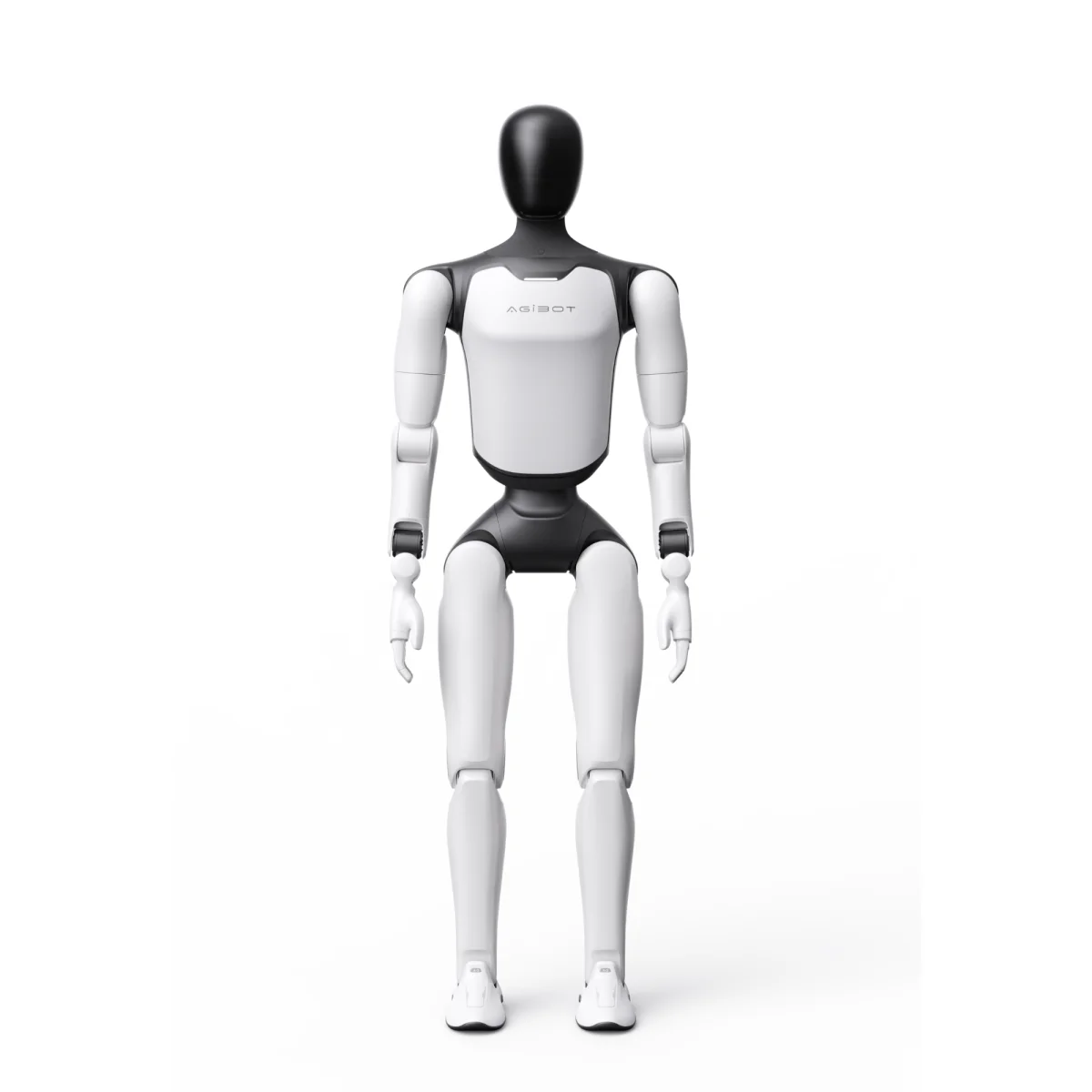
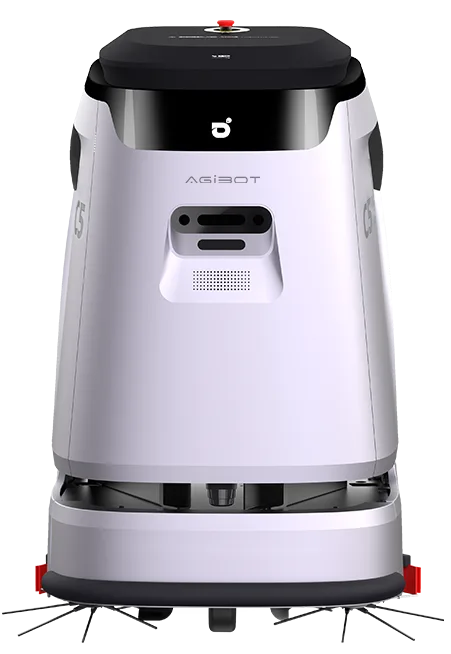
Full-size AGIBOT humanoid: 169 cm, 69 kg, 40+ active DoF and 200 TOPS on board, with hot-swap packs giving about two hours of work per battery.
View details
AGIBOT
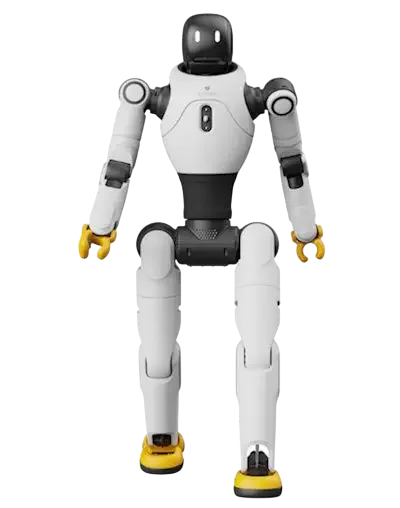
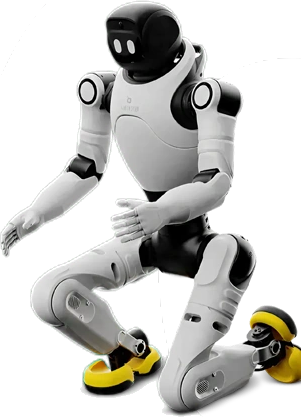
The sensor-complete X2: 30 active DoF, 558 mm arm reach, 3D LiDAR and RGB-D vision, and a docking station for autonomous charging between shifts.
View details
AGIBOT
Full-size 173 cm humanoid at 55 kg: 31 DoF, 5 kg payload per arm, running to 5 m/s, and up to ten hours on dual 1152 Wh hot-swap battery packs.
View details
We start with the use case, not the robot. If automation is the wrong answer, we will tell you that first.
Our own engineers write the application layer, so integration does not stop at the crate.
One named engineer stays with your project from evaluation through deployment and beyond.

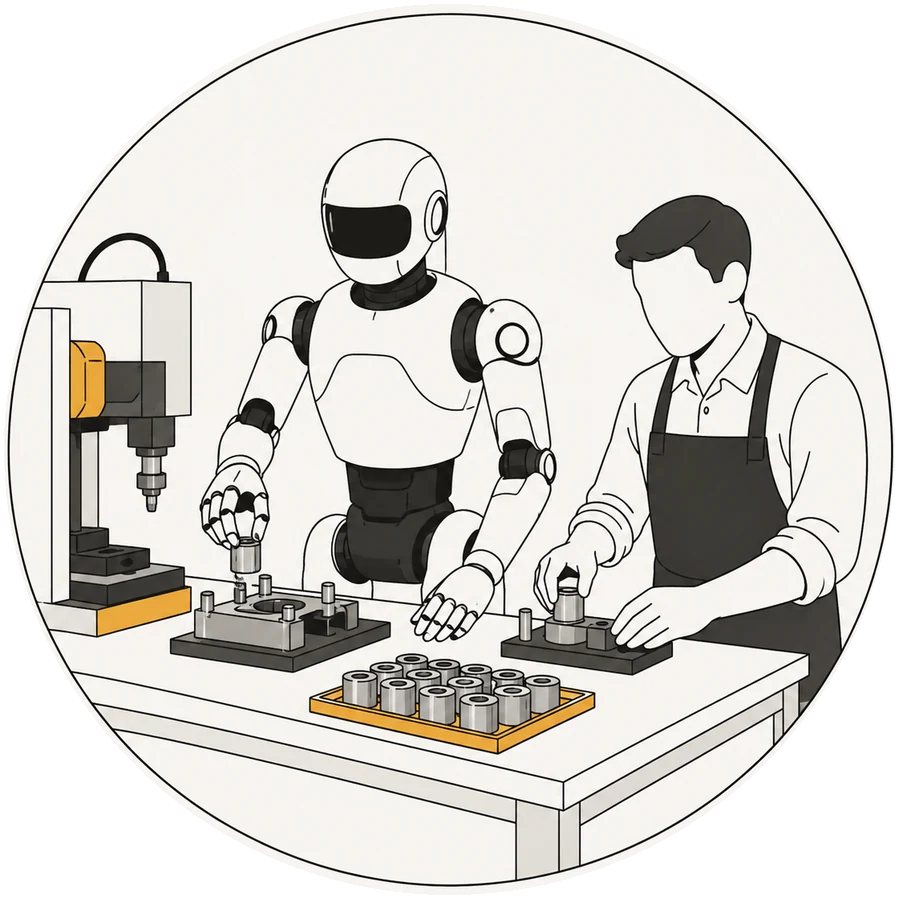
Machine tending, part handling and repetitive line tasks in mixed human-robot cells.

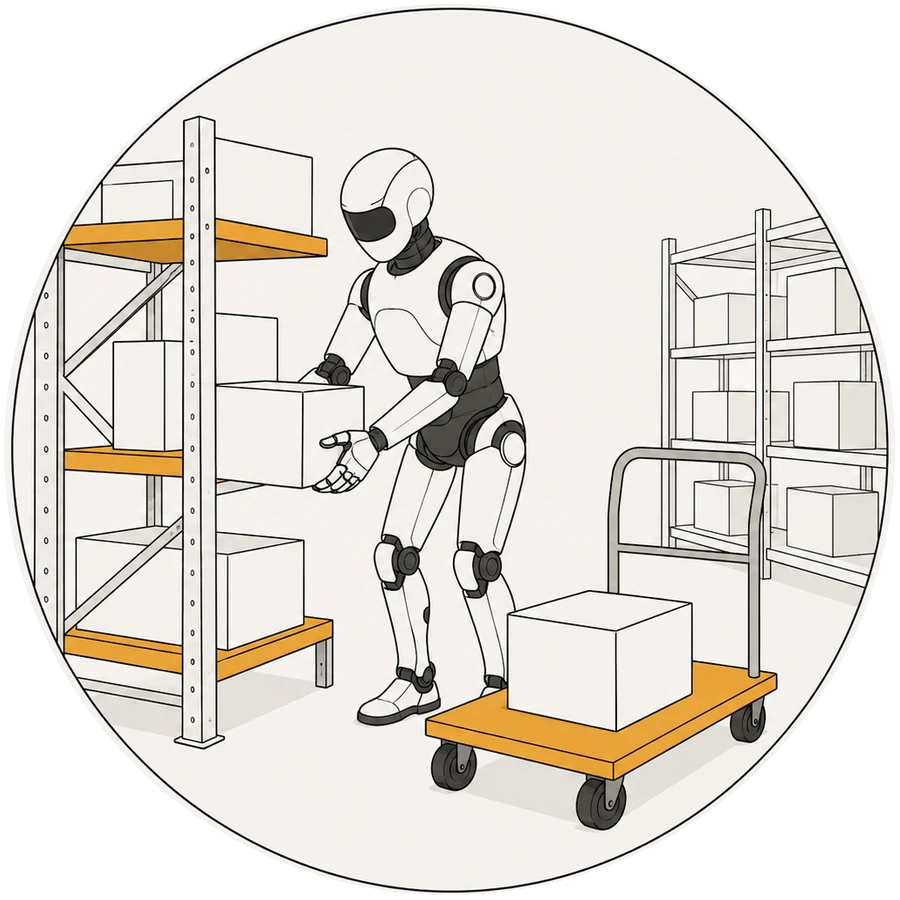
Order picking, tote handling and internal transport in spaces built for people.

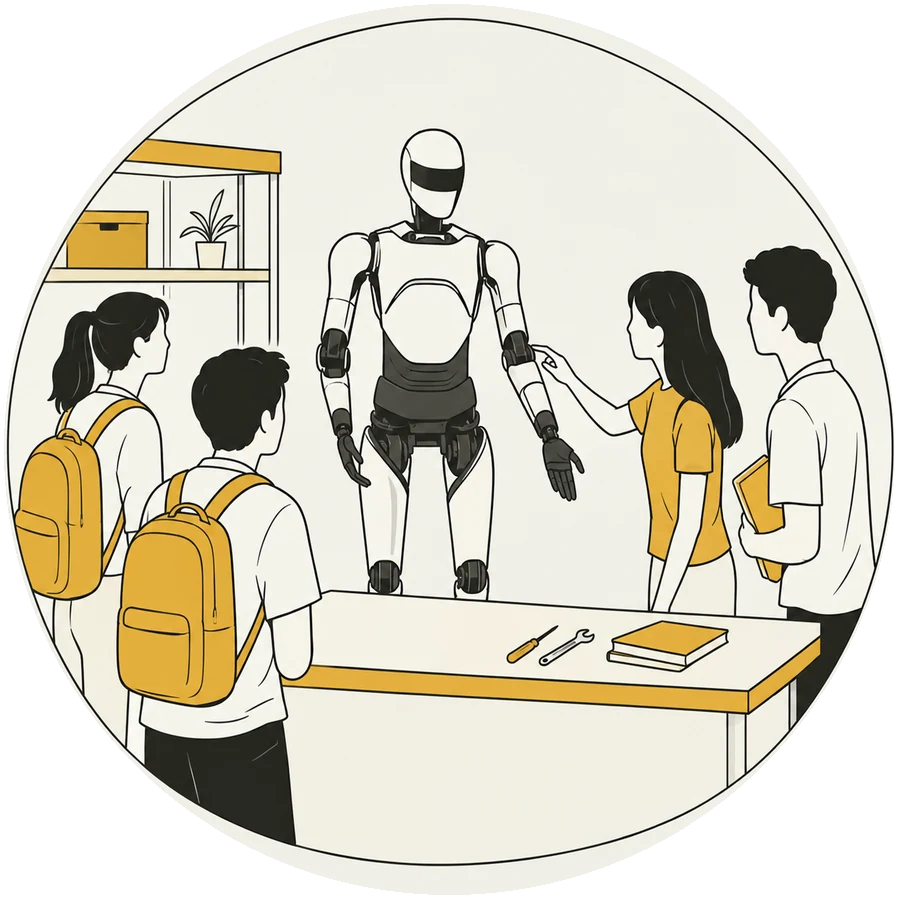
Open platforms with real SDK access for university labs and corporate R&D.
A category with this much video attached to it deserves a plain account of what is solid and what is not.

Two demonstration days brought working humanoid platforms to customers in Germany.
Read more
Our engineering team spent a week in Shanghai working on customisation options for European customers.
Read more
The platforms we represent picked up several robotics awards at this year's show in Las Vegas.
Read moreWe represent a manufacturer with machines in production, and we name it on every page. A distributor who will not say whose hardware they sell is telling you something.
Spares, service and engineering hours in your own time zone. A question that has to reach the manufacturer goes through a named channel rather than into a queue.
Every platform we sell has been set up and run by our own engineers first. Where we have not tested something ourselves, we say so instead of quoting the brochure.
Hardware, application software, integration and service on a single agreement, so no fault can be parked on the far side of an interface while two suppliers discuss it.
Two or three of your operators trained to start it, stop it and clear a fault, and a written handover. Where nobody on site owns a machine, it quietly stops being used.